Introduction
Yule has always been a festival of hearth and hands. Long before electric lights and modern conveniences, people gathered around fires, shared warm food, and crafted what they needed to survive the winter months ahead. The kitchen and the crafting table were not separate from spiritual life — they were spiritual life. Every loaf of bread baked, every candle dipped, every ornament carved carried intention, care, and quiet magic.
During the Winter Solstice season, food nourishes more than the body. It offers warmth, comfort, and reassurance during the darkest stretch of the year. Crafting, likewise, nourishes the spirit. It slows us down, reconnects us to tradition, and anchors the energy of the season into our homes and daily routines. Both are acts of devotion, whether we consciously label them as magic or not.
In this final Yule blog post, we’ll explore how kitchen magic and craft magic can become gentle seasonal rituals — not elaborate ceremonies, but meaningful acts woven naturally into everyday life. Through warming foods, simple recipes, and intentional crafting, Yule becomes something you don’t just observe, but live.
The Magic of Seasonal Foods
Food has always been central to Yule celebrations. In the depths of winter, nourishment was survival, and survival itself was sacred. Communities gathered to share what had been stored from the harvest — grains, dried fruits, preserved apples, honey, roots, and spices. These meals were not rushed. They were shared slowly, often by firelight, strengthening bonds and reminding everyone that they were not alone in the dark.
At Yule, food symbolizes warmth, protection, and the promise of renewal. Every meal prepared during this season becomes an act of gratitude — a recognition that despite the cold, there is still abundance. Cooking during Yule is also an act of faith: faith that the Sun will return, that the stores will last, that life will continue.
Certain ingredients carry especially strong symbolism during the Solstice season. Apples represent blessing, love, and the heart’s endurance through winter. Citrus fruits echo the returning Sun, their bright color and scent cutting through the heaviness of cold days. Root vegetables — carrots, onions, potatoes — remind us of hidden strength beneath the soil. Grains speak of sustenance and community. Honey offers sweetness and preservation, while spices like cinnamon, clove, and nutmeg bring warmth and protection.
When we prepare food with awareness, kitchen work becomes spellwork. Stirring a pot with intention, blessing bread dough with quiet words, or offering the first sip of a warm drink to the season itself are all simple ways to honor Yule. No elaborate ritual is required — only presence.
Simple Recipe: Spiced Yule Apple Cider
One of the most comforting drinks of the Yule season is spiced apple cider. Its warmth seeps into the body, its scent fills the home, and its flavor carries the essence of winter hospitality.
Preparing cider can be as simple or as involved as you like. Apples simmered slowly with cinnamon sticks, whole cloves, and slices of orange create a drink that feels both nourishing and ceremonial. As the cider warms, the kitchen fills with an aroma that signals safety, comfort, and welcome — exactly what Yule is meant to evoke.
Symbolically, apple cider represents warmth, protection, and hospitality. Apples carry heart magic and blessing, cinnamon brings protection and prosperity, cloves offer cleansing and grounding, and orange echoes the rebirth of the Sun. Together, they create a drink that supports both body and spirit.
To turn this simple recipe into a magical act, slow down while preparing it. As you slice apples or stir the pot, imagine warmth spreading through your home and your life. You might whisper a quiet blessing, or simply focus on gratitude — gratitude for nourishment, for shelter, for another turning of the Wheel.
Sipping cider mindfully can become a small daily ritual throughout the Yule season. Share it with loved ones, offer it to guests, or enjoy it alone by candlelight. Some people like to pour a small cup and place it outside or on a windowsill as an offering — a gesture of respect to the season, the land, or the spirits of place.
In this way, cider becomes more than a drink. It becomes a vessel for warmth, connection, and quiet magic.
Simple Recipe: Hearth Bread with Rosemary
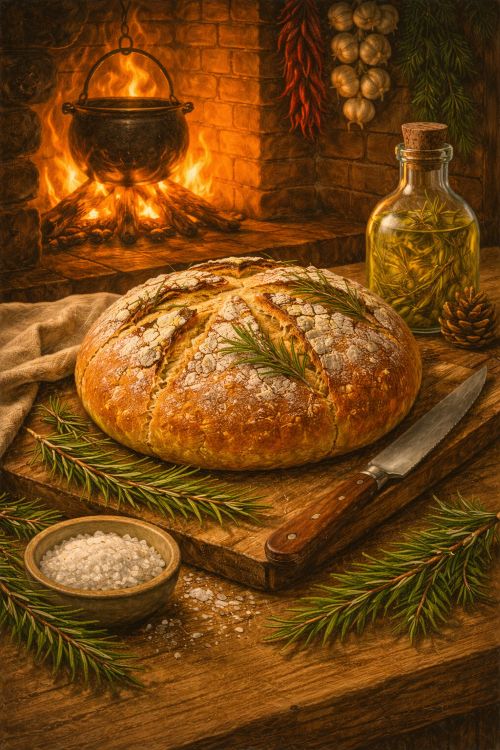
Bread is one of the oldest sacred foods known to humanity, and at Yule it carries special meaning. Grain represents the harvest that sustains us through winter, while the act of baking mirrors the cycle of patience, transformation, and care.
A simple hearth bread — rustic, hearty, and lightly flavored — is perfect for the Solstice season. Adding rosemary brings an extra layer of symbolism. Rosemary has long been associated with remembrance, clarity, and blessing. During Yule, it reminds us to honor what has carried us to this point: lessons learned, love received, and strength gained.
Baking bread during Yule can be deeply grounding. Mixing the dough connects your hands to the earth’s gifts. Kneading becomes a rhythmic meditation. Waiting for the bread to rise teaches patience and trust. And as it bakes, the warmth fills the home, echoing the hearth-centered traditions of our ancestors.
To make this a magical practice, consider blessing the dough before it goes into the oven. This can be as simple as placing your hands over it and setting an intention: peace in the home, protection through winter, or nourishment for those who will eat it. When the bread is finished, you might pause before slicing it, acknowledging the work — seen and unseen — that brought it to your table.
Sharing bread is an act of community magic. Offer slices to family, friends, or neighbors. Pair it with soup or stew for a comforting winter meal. Some people like to set aside a small piece as a symbolic offering, honoring the season’s abundance and the cycle of giving and receiving.
Through bread, Yule’s themes of sustenance, remembrance, and warmth come alive in the most tangible way.
The Spirit of Craft Magic
Crafting has always been woven into Yule traditions. Long winter nights offered time for making — tools, decorations, gifts, and charms that carried intention into the months ahead. These weren’t hobbies; they were acts of care, survival, and devotion.
Craft magic works because intention is imprinted into what we create. When you shape an object with awareness, it holds the energy of your focus. A wreath made with care carries protection. A candle dressed with herbs carries blessing. A handmade ornament becomes a talisman of warmth and memory.
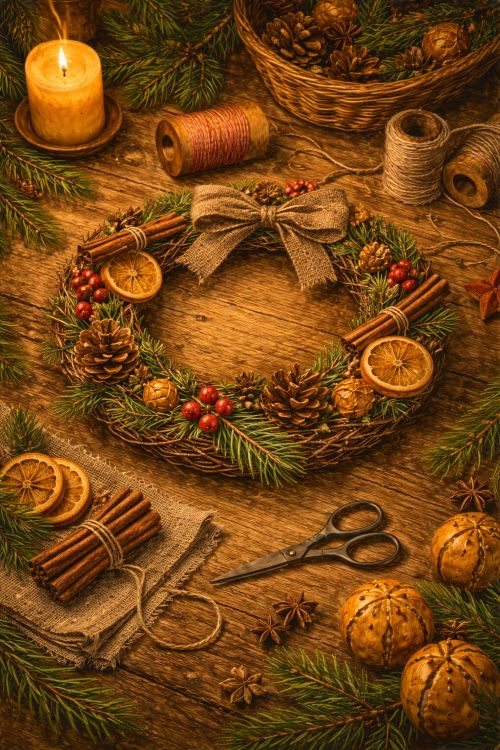
During Yule, crafts often center around light, protection, and endurance. Lanterns, candles, wreaths, garlands, and sun symbols help anchor the energy of the returning light in the home. Unlike store-bought decorations, handmade items carry personal meaning. They reflect your relationship with the season.
Craft magic doesn’t need to be complicated. It doesn’t require artistic skill or expensive supplies. A jar, some greenery, a bit of ribbon, or a found object from nature is enough. What matters is the act of making — slowing down, focusing your attention, and letting your hands speak what words cannot.
By crafting during Yule, you create physical reminders of the season’s wisdom. These objects quietly work their magic every time you see them, reminding you of warmth, resilience, and the promise of renewal.
Simple Craft: A Yule Light Lantern
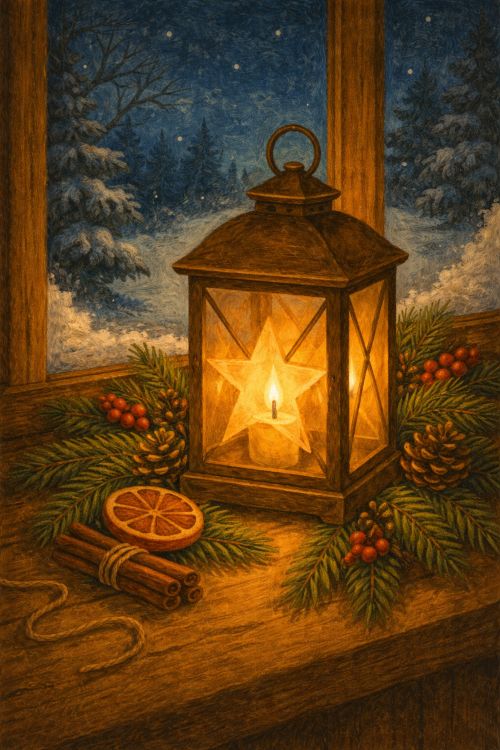
One of the most meaningful crafts for Yule is a light lantern — a symbol of carrying warmth and hope through the darkest nights. This can be made in many ways, depending on what you have available.
Some people carve a traditional lantern from a pumpkin or turnip, echoing ancient practices. Others decorate a glass jar using evergreen sprigs, dried orange slices, cinnamon sticks, or simple sun symbols drawn or etched onto the surface. Inside, place a tealight or small candle.
The lantern represents the returning Sun and the light we carry within ourselves. Lighting it each evening becomes a ritual of reassurance — a reminder that even in darkness, light endures.
As you create your lantern, move slowly. Choose each element with intention. You might think about what you wish to carry into the coming year: peace, strength, clarity, or joy. When the lantern is finished, place it on a windowsill, near your hearth, or on a small seasonal altar.
Each night during the Yule season, you can light the candle and whisper a simple blessing or expression of gratitude. No formal words are needed. The act itself is enough.
This lantern becomes a living symbol throughout the season — a quiet companion through winter nights, holding space for reflection and hope.
Conclusion + Invitation
Kitchen and craft magic make Yule tangible. They transform abstract ideas — renewal, light, endurance — into lived experience. A cup of cider warming your hands, bread baking in the oven, a lantern glowing in the dark: these are not small things. They are sacred acts woven into daily life.
Through food and crafting, we slow down, reconnect, and remember what matters. We nourish the body and the spirit at the same time. We honor the past while preparing for what is to come. And we allow Yule to become more than a date — it becomes a season we live.
If you’d like deeper guidance, full recipes, step-by-step craft instructions, and printable workbooks to support your Solstice season, you’ll find them inside my 30 Seasonal Practices for Yule Magic course. It’s designed to meet you where you are, offering gentle, meaningful ways to celebrate Yule at your own pace. To learn more, click here.
May your hearth be warm, your hands busy, and your heart filled with the quiet magic of returning light. 🌟